
Worried your potted tree won’t last the winter? Overwintering tropical fruit trees indoors is mostly light, cool frost-free rooms and restrained watering: give them a bright window, little feeding, and move them in before cold nights.
This page is part of the wider guide to tropical fruit trees for home gardens.
| Item | Value |
|---|---|
| Move citrus indoors before nights drop below | 50 degrees Fahrenheit |
| Room temperature for most fruit trees | 50-65°F |
| Bright light citrus needs indoors | 8 to 12 hours per day |
| Grow light height above the canopy | 6 to 12 inches |
| Humidity citrus prefers | around 50 percent |
These figures come from Nature Hills and Sow Exotic, and they can change, so check the sources before you rely on them.
When to bring tropical fruit trees inside
Night temperature sets the date. Nature Hills advises moving citrus indoors before nighttime temperatures drop below 50 degrees Fahrenheit, which usually means early to mid-fall depending on your region, as described on its citrus winter care page.
Tropical and subtropical fruit trees are especially vulnerable to frost, according to Sow Exotic’s overwintering guide. Check each plant before the first frost and bring in the ones that cannot survive freezing first.
Container choice makes the move easier or harder, so the guide to tropical fruit trees in pots is a useful companion read. Mango is also among the trees that benefit from a winter indoors, and the guide on how to grow mango tree covers that species in more depth.
Preparing your trees for the move
A little preparation keeps stress low and stops pests hitching a ride into your house. Sow Exotic lists three jobs to do before the trees come in:
- Prune if necessary: trim back dead or damaged branches and remove weak or excessive growth.
- Inspect for pests: check leaves, stems and soil, and treat with insecticidal soap or neem oil if needed.
- Repot if needed: if the tree has outgrown its pot, move it to a larger container with fresh soil.
Those steps come from Sow Exotic. Nature Hills adds a gentler transition: park the tree in a sheltered outdoor spot such as a covered porch for a week or two before bringing it fully indoors, so it adjusts to reduced light in stages (Nature Hills).
Light, temperature and humidity indoors
Light is usually the limiting factor. Nature Hills says citrus needs a minimum of 8 to 12 hours of bright light per day indoors, and a south-facing window may still fall short in short winter days. A grow light positioned 6 to 12 inches above the canopy can make a significant difference, especially in northern states (Nature Hills).
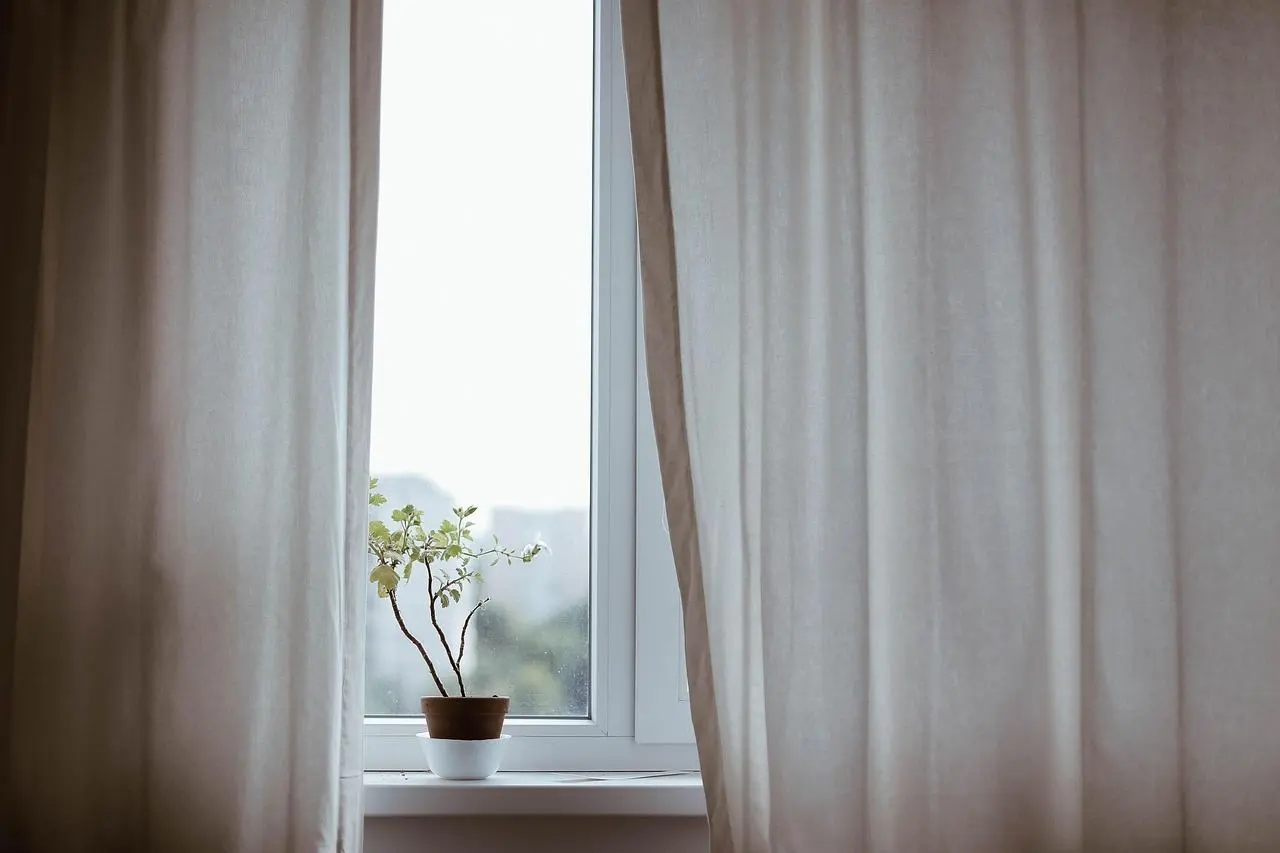
Direct glass can be harsh, though. An extension answer from New Mexico State University recommends bright light that is filtered somewhat, with sheer curtains to diffuse it, for trees wintered in a south-facing room (NMSU Southwest Yard and Garden).
Cool rooms suit these trees better than warm living areas. Sow Exotic suggests keeping the room between 50-65°F for most fruit trees and avoiding heat vents and drafty windows (Sow Exotic). The NMSU answer says citrus survive the winter best when night temperatures are cool, at 40 to 60 degrees (NMSU).
Heated houses are dry, and citrus prefers humidity of around 50 percent according to Nature Hills. Ways to raise it include:
- A shallow tray of pebbles and water under the pot, with the pot base sitting above the waterline to prevent root rot.
- Grouping the tree with other houseplants to form a more humid microclimate.
- Running a small humidifier nearby during the driest months.
- Rotating the pot every few days so all sides get even light, well away from heating vents.
Watering and feeding while growth slows
Growth slows in winter, so the tree drinks less. Sow Exotic calls overwatering one of the most common mistakes and suggests letting the top inch of soil dry before you water again (Sow Exotic).
The NMSU answer puts it as keeping the soil moist but not soggy. It also says you should not need to fertilize until late winter or early spring, since you do not want to stimulate growth in winter (NMSU).
Do citrus, figs and pomegranates need different care?
Yes, because they behave differently in winter. The NMSU answer says citrus keep their leaves all winter and depend more on proper lighting than deciduous fig and pomegranate trees, which lose their leaves (NMSU).
The same source says fig and pomegranate often do better if they go dormant in a very cool location. Temperatures down to the mid-twenties should not hurt them, but roots in a pot get colder than roots in the ground and can be damaged at higher temperatures (NMSU).
That guidance was written for New Mexico gardeners and for temperate fruit plants kept in pots. Treat the numbers as a starting point for your own climate, and watch how each tree responds.
Moving trees back outdoors in spring
Do not rush the return. Sow Exotic suggests setting trees outside for a few hours a day in a sheltered spot as days warm, then gradually increasing their exposure to direct sunlight and outdoor conditions to avoid shock (Sow Exotic).
Feeding can restart as the trees show new growth. Hardening off in stages is the same idea as the autumn move in reverse, only with brighter light this time.
Frequently asked questions
Which tropical fruit trees usually need to come indoors?
Show answer
Sow Exotic’s list of plants that benefit from overwintering names mangos, lychees, citrus, figs, avocados, banana plants, guavas and passionfruit vines, along with herbs such as basil and mint, in its cooler-climate guide.
Why are the leaves yellowing after I moved the tree inside?
Show answer
The same guide says new surroundings can cause yellowing leaves or slight wilting, and describes this as normal. Keep your care steady and give the tree time to settle.
Can a fig or pomegranate sit in a cold, dark spot all winter?
Show answer
Per the NMSU answer, dormant trees need little light, so a cold, dark location works. They still need periodic irrigation to avoid desiccation, and if the space warms early and new growth appears, they must move to a well-lighted spot.
Can I put a heavy pot outside on mild winter days?
Show answer
NMSU says that once the coldest weather has passed, trees can go into bright, indirect light on warm days and return indoors at night. Heavy pots make that difficult, but wheeled platforms may make it possible, according to the same extension answer.